Join usin the field for a South African Wildlife Conservation Mission in the world-famous Greater Kruger National Park
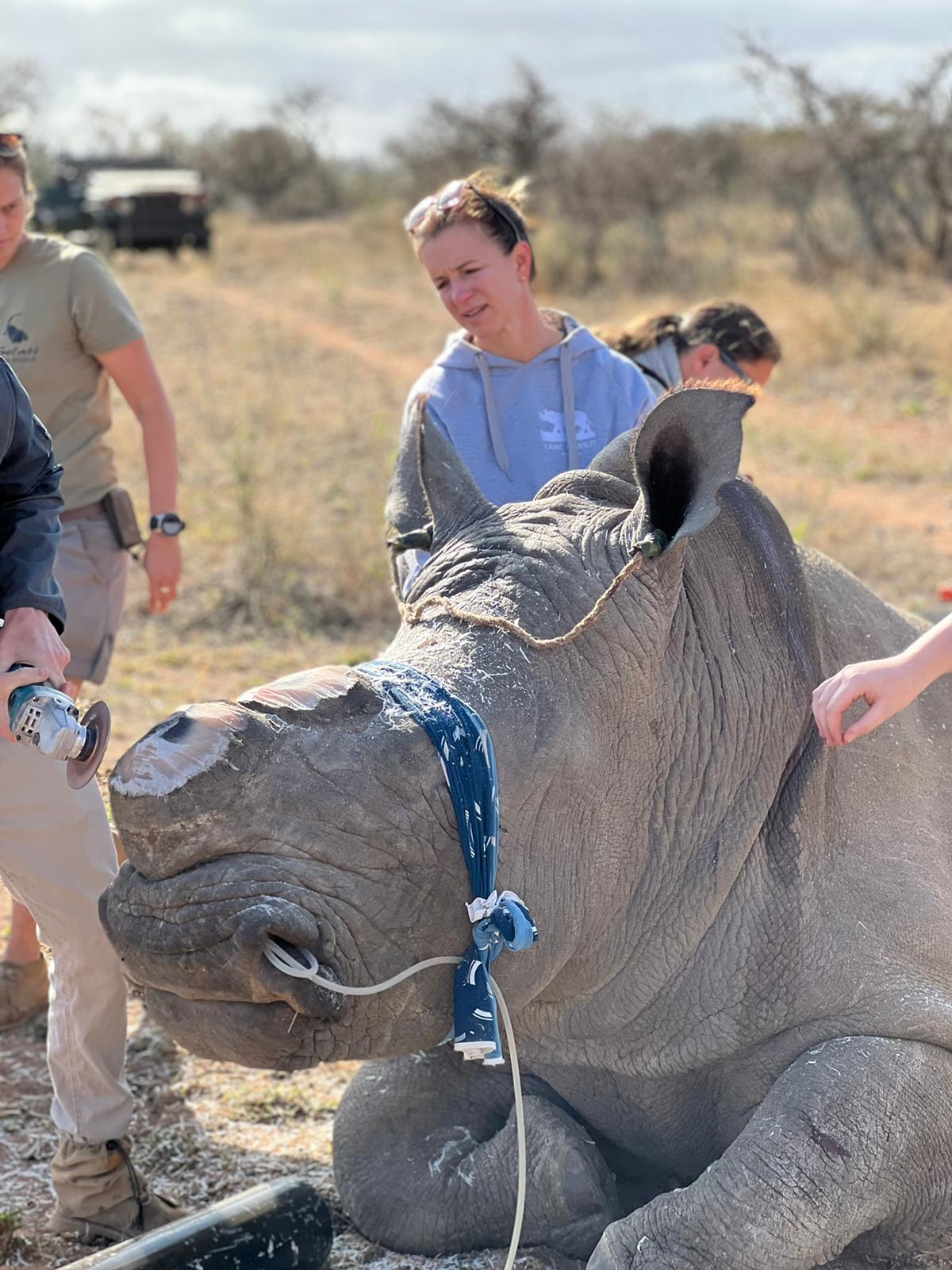
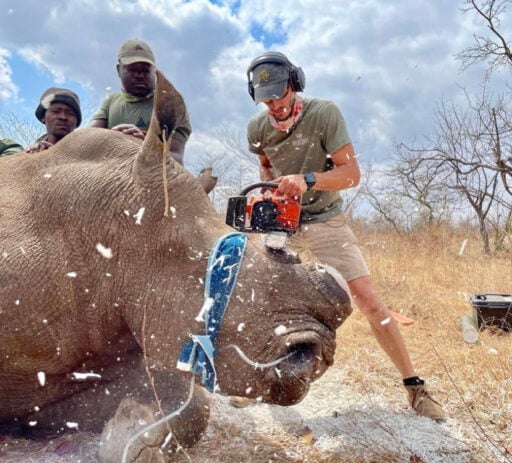
Dehorn rhinos to protect these animals from relentless poaching attacks and collar elephants to track their movements in real-time for conservation purposes
Only 12 places are available on this 7-day training project. Veterinary professionals (veterinarians, vet techs, veterinary nurses) and clinical-year vet students are invited to apply. We cannot at this time make exceptions for undergraduate students or for vet students who are not in their clinical year.
May 19 – May 26, 2024
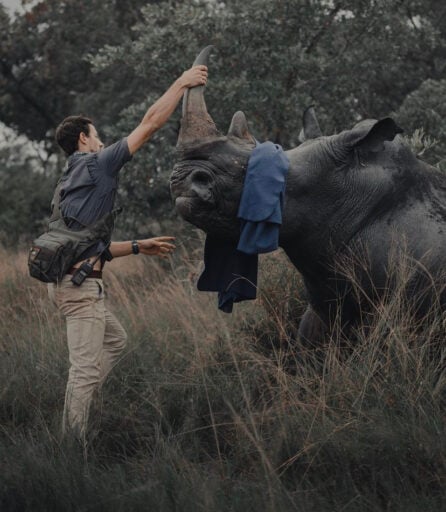
This is an exclusive opportunity for veterinary professionals, students, and wildlife enthusiasts to join our team for a rhino dehorning and elephant collaring mission in South Africa, getting hands-on experience on the front line of wildlife conservation.
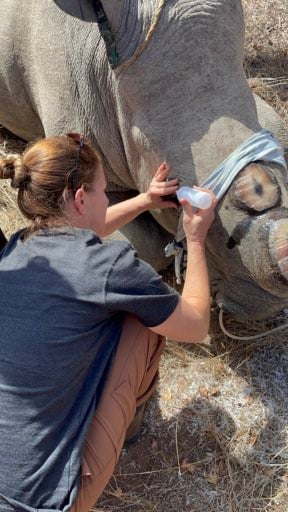
This is a specially commissioned project, offered exclusively through Loop Abroad, and will involve a week-long intensive wildlife conservation mission on a selection of game reserves around the stunning town of Hoedspruit, near Kruger National Park. In addition to working with a variety of African species, you will also be participating in rhino dehorning, which is an emergency intervention currently underway in a desperate bid to protect the species from extinction. With a rhino poached, on average, every 16 hours, time remains of the essence for these animals, and dehorning has become a critical part of their conservation. Select rhinos will also be fitted with a LoRA Tracking Collar in order to provide high-resolution movement data which will aid reserve management in better protecting their rhinos and developing a better understanding of their local ecology.
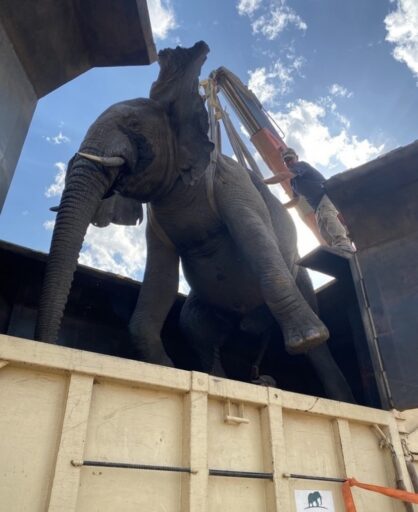
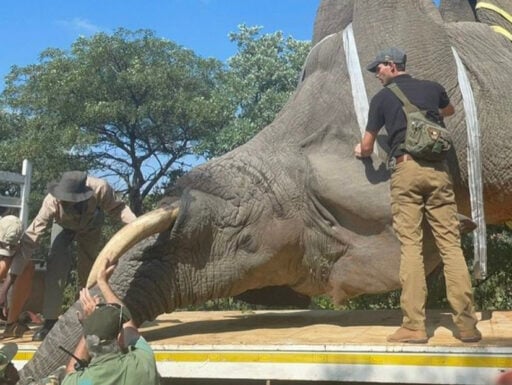
You will also have the rare opportunity to participate in an elephant collaring, which is only performed a handful of times a year on the entire African continent. This work and the information it provides allow us to track elephants in real-time and directly contribute to their conservation – be it in better understanding elephant movements and targeting conservation efforts in these areas, or offering the opportunity to intervene prior to potential episodes of human-wildlife conflict.
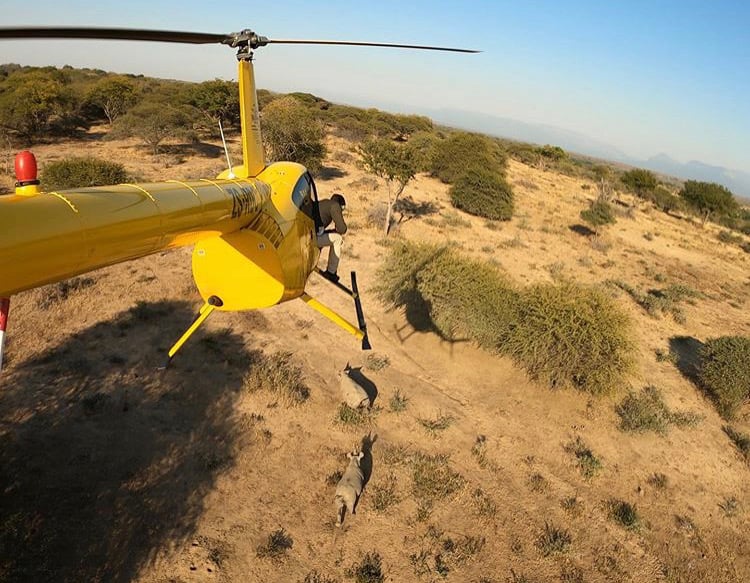
You will be joining an experienced wildlife veterinary team to participate in this project. The animals will be darted from helicopters and captured by the ground team (including you!), and a short lecture series and practical workshops will bring you up to speed on everything you need to know for a hands-on and impactful week in the field regardless of your level of experience!
$ 4,700 USD per person.
 The program fee includes:
Program fee does not include:
Please note: This is a field project that takes place in a rustic area of South Africa. Housing is limited. Participants will be housed with other participants of the same gender in rooms of three single beds; single supplements are not available. If you are enrolling with a friend or partner and would like to room together, please advise and we will do our best to accommodate.
 Click “Apply Now”, fill out the form, and pay the $1000 program deposit. Your spot will be held immediately.
Veterinarians, vet techs, veterinary nurses, and clinical year vet students may directly enroll. We cannot admit undergraduate students or vet students who are not in their clinical year.
Please note that this is an active, outdoor program that requires participants to be able to walk outdoors, get safely in and out of vehicles, and be safely able to participate in working with animals outdoors for a full day.
For programs starting after August 20, 2023, COVID-19 vaccinations are recommended, but they will no longer be required.
All participants must follow the Loop Abroad COVID policies, which include testing negative 2 days before travel, reporting symptoms if they arise during the program, masking or testing if asked to by staff, and isolating if you test positive.
Program Airport: Hoedspruit Airport
Accommodation:
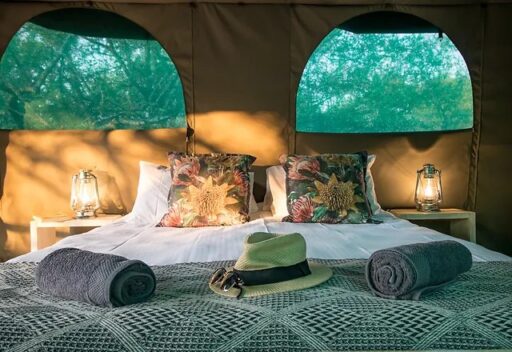
You will have exclusive lodging in chalets at Paris Bush Camp Route 40, which is on a private wildlife reserve just outside Kruger National Park. “Chalets” are small, safari-style buildings with two bedrooms each, a private bathroom, central living area and outside deck looking onto the bush.
Central shared facilities include kitchen and dining area, sundowner deck, outdoor firepits and a small swimming pool.
Room description:
Each chalet can host 2 – 3 people, which you will be sharing with a participant of the same gender. You may request specific roommates if traveling together.
The chalets are all equipped with electricity, WiFi and private bathrooms.
Project Itinerary
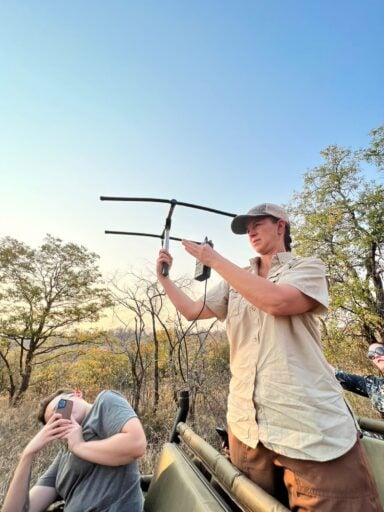 The days on the reserves will be long and generally start early in the morning. Days will include multiple immobilisations and procedures with the veterinary and conservation team with whom you’ll work daily. You will be participating in hands-on field work with other species in addition to rhinos and elephants, in a real time setting as the need arises. For this reason, the exact timing of the schedule below will be flexible and subject to change.
You’ll receive training in darting practicals, including an opportunity for you to practice from the helicopter.
Your participation will not only provide you with intensive hands-on experience, but you will also learn first-hand techniques in darting, immobilization, capture, anesthesia monitoring, dehorning and other topics related to African wildlife medicine – all in the heartland of African wildlife conservation. Your participation fee will directly fund the mission and work being done – from the helicopter, to vet work, drugs, dehorning licenses and the physical elephant collar – which is something we hope you can take a lot of pride in.
In our theoretical classes, we will also explore the complex topics around poaching, including what factors are driving the demand for rhino horn and the challenges we face in addressing and controlling these. We will also examine the current projects involved in the protection of the species – including ways in which you can become more involved yourself.
Program Itinerary
| Day | Activity |
| Sunday |
|
| Monday |
|
| Tuesday |
|
| Wednesday |
|
| Thursday |
|
| Friday |
|
| Saturday |
|
| Sunday |
|
Exact itinerary subject to change
“Vet Talks” lecture series:
 Delivered by a range of wildlife veterinarians, conservations, and experts in their field, these talks are designed to give you a background of the history of wildlife conservation in Africa, a snapshot of the current situation, as well as equip you with all you need to know to be an active member of the team!